Why Premium Feminized Seed Strains Are the Commercial Grower's Best Investment
When I first started advising commercial growers on their seed selections, one question came up more than any other: is it worth paying more for guaranteed genetics? After years of watching crops succeed or fail based on that single decision, I can say the answer is a clear yes. The difference between standard seeds and premium feminized seed strains is not just about price. It affects every stage of the grow cycle, from germination rate to final crop yield.
Commercial growers operate on thin margins. A failed crop or a batch that herms halfway through flowering can wipe out months of work. That is why experienced operators look for consistency above all else. They need plants that grow uniformly, flower on schedule, and produce the same quality every time. This is where premium feminized seed strains earn their keep. They are bred specifically to remove the guesswork from large-scale cultivation.
The Science Behind Feminized Seeds
Feminized cannabis seeds are produced by stressing a female plant to produce pollen, which is then used to fertilize another female. The resulting seeds carry only female chromosomes. When grown under normal conditions, they develop into female plants almost every time. A strong female guarantee backs this process, giving growers confidence that their greenhouse or warehouse will not be filled with male plants that need to be culled.
I have seen operations that used regular seeds and ended up with thirty percent males. That is thirty percent wasted space, wasted nutrients, and wasted light. With feminized seeds, that risk drops to near zero. The best seed banks now guarantee rates above ninety-nine percent. For a commercial facility running ten thousand plants, that reliability is huge.
Genetic Stability and Yield Potential
Not all feminized seeds are created equal. The real value lies in genetic stability. Cheap seeds from unverified sources often carry hidden hermaphrodite traits. They might look fine for weeks, then throw male flowers during late flowering, ruining an entire room. Premium strains are stabilized over multiple generations. Breeders select for traits like disease resistance, uniform flowering time, and consistently high cannabinoid profiles.

High-yield strains are the goal for any commercial grower. But yield alone is not enough. You need strains that respond well to your specific growing method, whether that is indoor hydroponics, greenhouse soil, or outdoor fields. Premium feminized seed strains offer a range of options tailored to different environments. Some are bred for dense bud structure and short internodal spacing, ideal for indoor setups with limited vertical space. Others are designed for vigorous growth in open fields, where they can stretch out and produce massive colas.
Indica, Sativa, and Hybrid Seeds
Understanding the balance between indica strains, sativa strains, and hybrid seeds is essential for planning a successful crop. Indica strains are favored for their shorter flowering time and compact growth. They work well in cooler climates and produce dense, heavy flowers. Sativa strains take longer to mature but often yield more and offer a different set of aromatic profiles. Hybrid seeds combine the best traits of both, giving growers flexibility.
For bulk seed orders, I recommend a mix that matches your market demand. If you are supplying dispensaries that want fast turnover, indica-heavy hybrids are a safe bet. If your buyers want high-THC products with complex terpene profiles, sativa-dominant genetics might be worth the longer wait. The key is choosing strains with proven performance in your specific region and setup.
Photoperiod vs. Autoflowering Strains
Another major decision for commercial growers is whether to use photoperiod strains or autoflowering strains. Photoperiod strains rely on light cycles to trigger flowering. They give the grower control over when the plants switch from vegetative growth to flower. This control allows for bigger plants and higher yields, but it requires precise scheduling and reliable equipment.
Autoflowering strains, on the other hand, flower based on age, not light. They are popular for continuous harvest systems and for growers who want to simplify their operations. Autoflowers have improved a lot in recent years, but they still tend to produce smaller plants and lower total yields compared to photoperiods. For large-scale commercial growers, photoperiod strains remain the standard for maximum output.
That said, autoflowering strains can be a good option for outdoor growers in northern climates where the summer light cycle is short. They finish faster and can beat the frost. I have seen operations use both types in tandem, running photoperiods in their main rooms and autoflowers in smaller spaces for steady production.

Seedling Vigor and Germination Rate
One of the first signs of quality cannabis genetics is seedling vigor. Premium feminized seed strains show strong, fast germination and early growth. A high germination rate means fewer empty pots and less time spent replanting. In a commercial setting, this translates directly into cost savings. If you are paying for wholesale seeds, you want every single seed to become a productive plant.
I have tested seeds from dozens of suppliers. The ones with the best germination rates always came from breeders who put serious effort into parent plant selection and seed production. They test their seeds in-house before selling them. They store them properly, in cool, dark, dry conditions. Seed packaging also matters. Good packaging protects seeds from moisture and temperature swings during shipping. A vacuum-sealed mylar bag with a desiccant pack is the standard for top-tier seed banks.
Choosing the Right Seed Bank
When sourcing wholesale seeds, the reputation of the seed bank is everything. A reliable supplier will have clear policies on germination guarantees and genetic purity. They will provide detailed information about each strain's flowering time, expected height, and disease resistance. They should also be able to supply certificates of analysis for their genetics if requested.
I always tell growers to ask about the breeder's track record with the specific strain they are buying. Some seed banks white-label their products, meaning they buy bulk seeds from large producers and repackage them. That is not necessarily bad, but you lose traceability. If a batch fails, you have no way to know which breeder produced it. The best practice is to work with seed banks that either breed their own strains or partner directly with known breeders.
Practical Considerations for Bulk Orders
Ordering in bulk changes the economics of your operation. Bulk seed orders usually come with significant discounts, but they also require careful planning. You need to store seeds properly to maintain their viability. A dedicated refrigerator set to around six degrees Celsius works well for long-term storage. For short-term use, a cool, dark drawer is fine.
Another factor is the female guarantee. Most reputable suppliers offer a guarantee that at least ninety-nine percent of their feminized seeds will produce female plants. If you get a male, they will replace it. That guarantee is only useful if the supplier is trustworthy and easy to deal with. I have seen companies promise great terms but then make the claims process difficult. Read reviews from other commercial growers before committing to a large order.
Matching Strains to Your Market
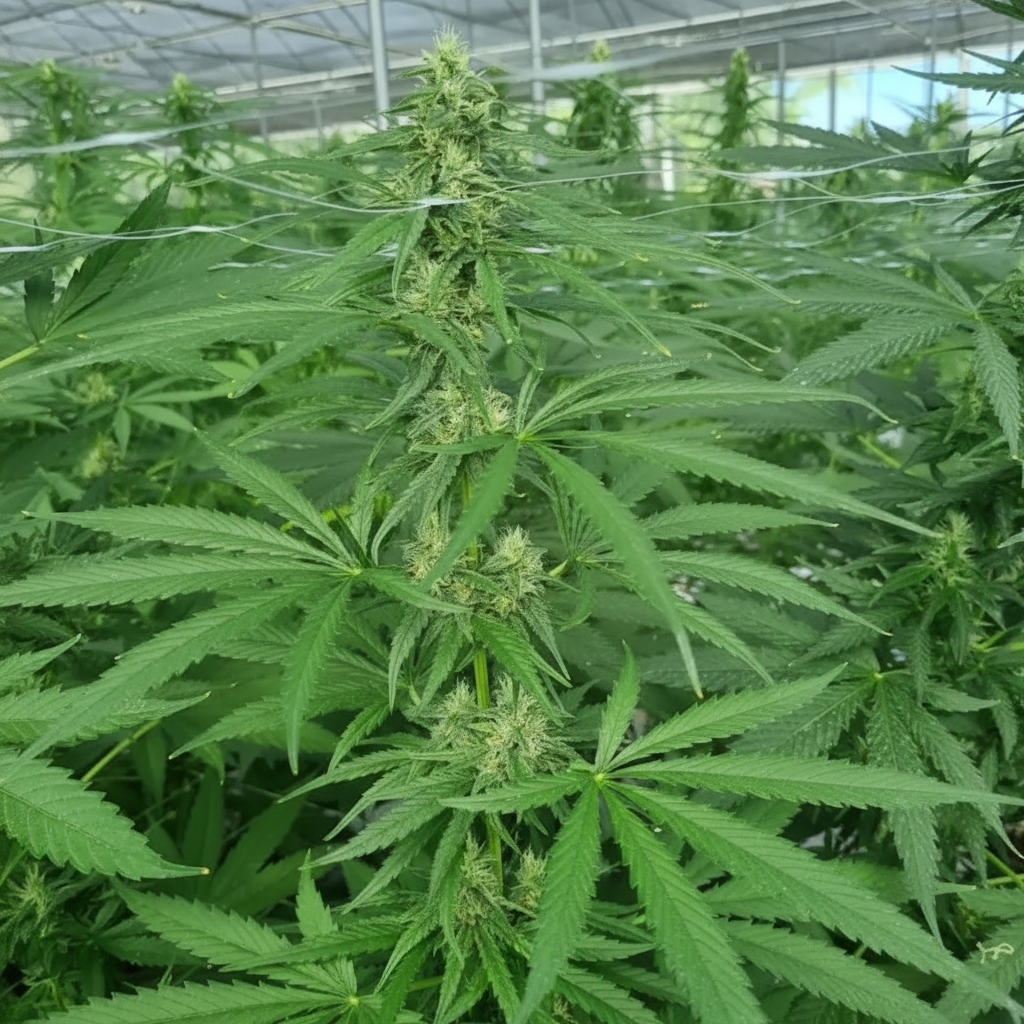
Finally, think about your end customer. If you are growing for a dispensary that serves medical patients, you might want strains high in CBD and low in THC. If your market is recreational users, high-THC strains with unique flavors sell best. Premium feminized seed strains now include cultivars bred specifically for these niche markets. Some are designed for high essential oil content, ideal for extraction. Others focus on bag appeal, with bright colors and heavy trichome coverage.
I have seen growers succeed by sticking to two or three proven strains and perfecting their methods. Others prefer to rotate new cultivars every season to keep their product line fresh. Either approach works, as long as the genetics are solid. Investing in quality seeds upfront saves money in the long run. It reduces labor, lowers the risk of crop loss, and produces a more consistent product that commands higher prices.
In my experience, the growers who treat seed selection as a strategic decision, rather than an afterthought, are the ones who build sustainable businesses. They understand that cannabis genetics are the foundation of everything that follows. Choosing premium feminized seed strains is not an expense. It is an investment in reliability, quality, and ultimately, profit. Whether you are running a small boutique farm or a large commercial facility, the principles are the same: start with the best genetics you can afford, and everything else becomes easier.